

Gardening tips and seasonal advice
Starting your first allotment plot is an exciting adventure. At Browns Lane Allotment Society, we believe in sharing practical guidance, supporting fellow growers, and learning together through every British season.

Taking on your first plot: Little and often
When you first take on a plot, the space can feel overwhelming. The key to staying committed is breaking tasks down into manageable chunks. Rather than spending entire weekends exhausting yourself, visit for an hour or two several times a week. Clear one bed at a time, keep weeds down regularly, and remember that growing is a gradual journey of discovery.

Managing local weather and wet ground
British weather can bring sudden downpours, and wet soil or temporary flooding is one of the main hurdles we face on our site. To protect your crops, consider using raised beds, improving soil drainage with generous organic matter, and avoiding walking on saturated earth. Catching rainwater when it is dry and protecting roots during wet spells will keep your harvests resilient.
Rainwater harvesting with IBC containers
Setting up an Intermediate Bulk Container (IBC) is one of the most effective ways to collect rainwater on your plot. Connecting an IBC tank to your shed or greenhouse guttering gives you a 1,000-litre reservoir to see your vegetables through dry summer spells.
Rainwater Collection at Browns Lane
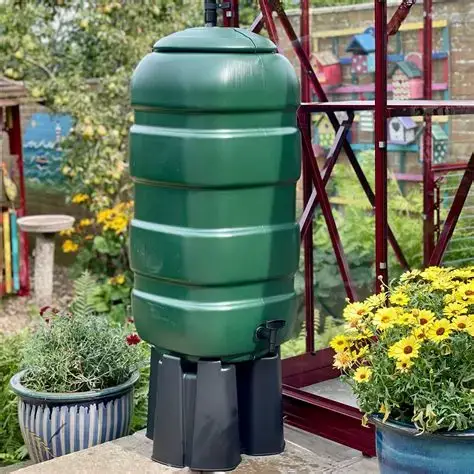
As there is no mains water supply at Browns Lane, every suitable roof should be used to collect rainwater. Installing water butts connected to guttering will help capture and store rainfall for use around the site, reducing reliance on transported water. Please ensure water butts are positioned securely on level bases, fitted with lids to prevent debris and insects entering, and connected with overflow pipes where necessary.

Planning your allotment layout
Careful planning in the winter months sets your plot up for a bountiful harvest. Start by observing how the sun moves across your plot throughout the day. Place taller crops, like sweetcorn, runner beans, and fruit bushes, toward the north or east boundaries to avoid casting shade over lower-growing salads and root vegetables. Creating defined permanent beds and clear walkways keeps your soil fluffy and free from compaction.
A simple crop rotation scheme is the easiest way to prevent recurring soil pests and nutrient depletion. Divide your growing beds into distinct groups: brassicas, legumes, roots, and nightshades. Don't forget to reserve space for your compost bins, essential water catchment butts, and a dedicated shed area. A small seating corner gives you the perfect spot to rest between weeding and enjoy the progress you've made.

Create Your Own Website With Webador